Programs

Four programmes, one mountain

Everything we do falls under one of four programmes. Each has a written protocol, an annual budget line, and a field coordinator who signs for it.

01

Communal Forest Management & Wildfire Prevention

Ten-year management plans, household firewood quotas, marked-stem harvesting, and the summer fire watch.

  • 1,240 ha under plan
  • 37 km firebreak
  • 0 ha standing forest lost in 2025

Every managed parcel is inventoried on a five-year cycle: species composition, stem density, regeneration and evidence of illegal cutting. The resulting plan sets an annual allowable cut, distributed as household quotas by the assembly rather than by us.

Harvesting is permitted only from stems marked in advance by a coordinator. Unmarked cutting suspends the quota of the entire village for the following season — a rule the villages themselves proposed, and the reason it works.

From 1 June to 30 September a volunteer watch rota covers the two ridges with the widest field of view. We maintain 37 km of firebreak by hand and machine each spring, keep four tool caches stocked, and run a pre-season drill with the municipal brigade.
02

Pasture Restoration & Sustainable Grazing

Rotational calendars, stocking limits, water-point rehabilitation and winter seminars with livestock families.

  • 412 families with grazing rights
  • 18 water points rehabilitated
  • 3 grazing calendars in force

Overgrazing in the years after 1997 stripped the sward from the most accessible pastures and pushed flocks onto steeper, more fragile ground. Recovery has come from three unglamorous instruments: an agreed opening date, a stocking ceiling per family, and functioning water points that let flocks spread instead of concentrating.

Sward height and species composition are measured at fixed points each July. The data belongs to the assembly and is presented to it in plain language, with the good years and the bad ones shown side by side.

Each January we run seminars in three villages on flock health, hay budgeting, and the economics of holding a pasture closed for three extra weeks. Attendance is voluntary and typically around 120 households.

03

Reforestation & Native Tree Planting

Two nurseries, native species only, and 186,400 saplings in the ground since 2004.

  • 186,400 saplings since 2004
  • 2 nurseries
  • 71% five-year survival

We grow black pine, Austrian pine, downy oak, manna ash, field maple and wild pear from seed collected locally. No exotic species enter our nurseries, and no planting is done on natural pasture.

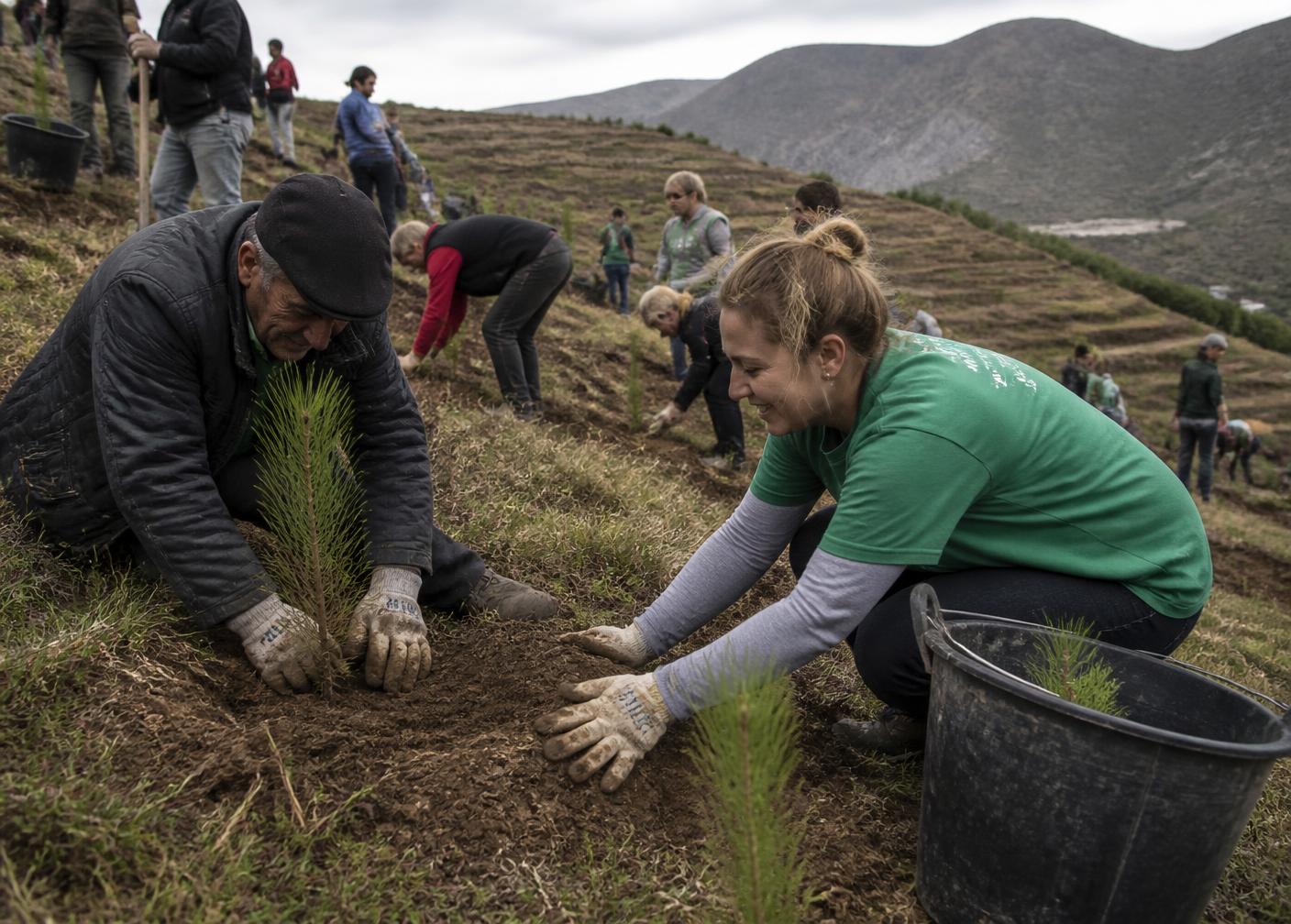
Planting runs in two windows, late autumn and early spring, on slopes selected for erosion risk and seed-source distance. Volunteer days are organised village by village; schools take the gentler terrain.

Survival is counted in April on permanent sample plots and reported honestly. Our five-year average survival is 71%, which is a decent figure on this rock and a poor one on the best ground. We publish both.

04

Youth Education & Ecotourism Development

School forest days, summer field camps, and a marked trail network that puts a little income behind conservation.

  • 9 partner schools
  • 3 marked trails
  • ~600 students reached each year

Nine schools in the Krujë area take part in autumn and spring forest days: planting, nursery work, and an afternoon of identifying what is actually growing on their own hillside.

Each August we host a ten-day field camp for secondary and university students — inventory technique, erosion mapping, and a week of living with the people who do this work daily.

Three marked trails link the highland pastures with the historic approach to Qafë Shtamë. Guiding, homestay referrals and a small visitor contribution return directly to the villages hosting the route.

Erosion control: the work behind the numbers

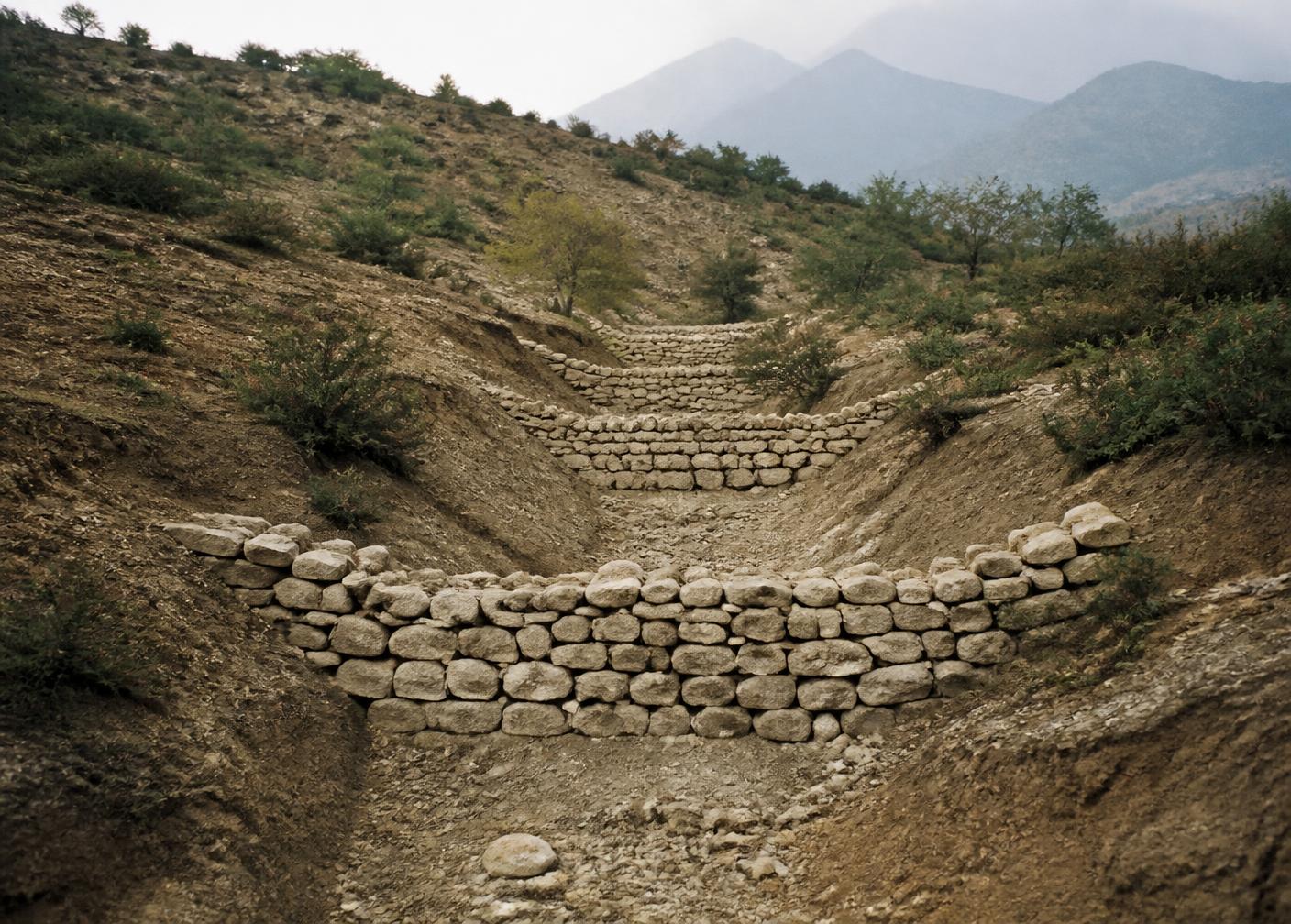
Above the springs of Bruz and Zezë, forty years of unmanaged runoff cut gullies deep enough to swallow a man. Since 2009 we have built 2,860 metres of dry-stone check dams and brush fascines by hand, mule and patience. There is no fast version of this work. There is only the version where twenty people spend a Saturday moving stone, and then do it again in three weeks.

Hand-built dry-stone check dams slowing runoff in an eroded gullyVolunteers planting saplings on a terraced slope